Checking in with Nitrogen in the Yahara Watershed
Phosphorus holds the infamous reputation of being the most problematic excess nutrient in our lakes, as readers of our blog will know well. But let’s not forget about nitrogen. Nitrogen (N) is an essential nutrient for all life in our waters as a key building block for proteins, and for chlorophyll in primary producers like algae. Many forms move around a complex nitrogen cycle, but we are focusing on the major types that fuel algal growth in lakes: dissolved nitrate and ammonium. Nitrate is a highly mobile form of N often associated with elevated groundwater concentrations in agricultural watersheds. Ammonium is a primary form generated from the breakdown of organic matter in non-oxygenated (anoxic) waters at the bottom of lakes in summer, and is also linked to manure sources in runoff particularly during winter. In oxygenated waters, ammonium changes into nitrate.
Researchers at the Center for Limnology have been measuring the different forms of nitrogen in the Yahara lakes for decades under the North Temperate Lakes Long-Term Ecological Research program (LTER) that had transitioned in 1995 from years of monitoring by the Wisconsin Department of Natural Resources (DNR). Now, a new project is re-focusing on the status of nitrogen in and around the Yahara lakes and their watershed. Center for Limnology Professor Emily Stanley and Honorary Fellow Richard Lathrop received a grant from the DNR to track nitrogen transformations in our local waters from spring 2026 to fall 2027. This is the latest project in a long line of research for Stanley and also Lathrop who has been studying these lakes since 1975.
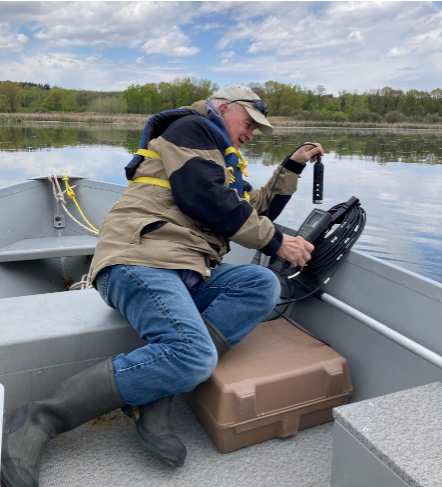
The Yahara nitrogen project aims to understand the differences around the watershed in the loading and fate of various forms of nitrogen, particularly nitrate and ammonium. The goal is to help determine their role in the formation of algal blooms in our lakes. We want to better understand where these compounds are originating, where they are traveling, how they are changing along the way, and how they end up being available for cyanobacteria growth. Since 2015, some USGS (United States Geological Survey) stream gaging stations in the area have been monitoring nitrogen. This comprehensive, year-round examination of nitrogen will add to those data by incorporating seasonal and biological changes.
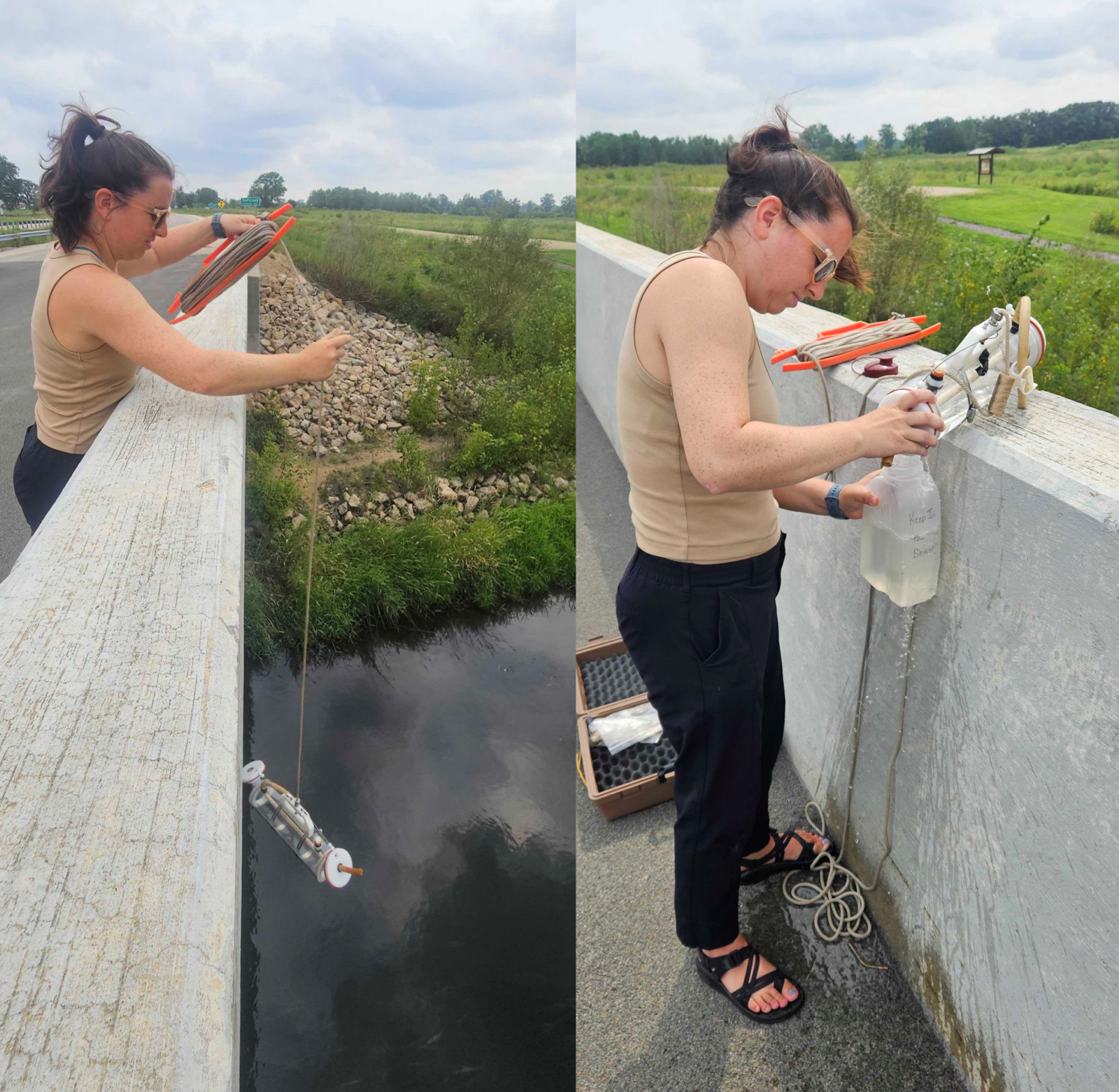
This summer, Lathrop and the Stanley Lab team, including Research Specialist Hannah Agner and undergraduate intern Marissa Hueffner, traveled all over the watershed on grand sampling adventures. A typical day for Hannah and Marissa on the “tributary sampling team” meant visiting eleven sites each month, from Middleton to DeForest to Fitchburg, and ending at the Wisconsin State Lab of Hygiene to drop off samples for analysis. The sites were located on most inflowing tributaries to the lakes not currently being monitored for nitrogen by the USGS, as well as each lake’s inlet and outlet in the Yahara chain upstream of Lake Waubesa. The team collected water using a Van Dorn sampler lowered from bridges over the stream sites and measured other factors like temperature and dissolved oxygen with a sonde. Altogether, the project contains 25 sites, including headwater springs and the four Yahara lakes themselves. It turns out that when trying to tackle a project like this, it helps to have friends in lots of places around the watershed.
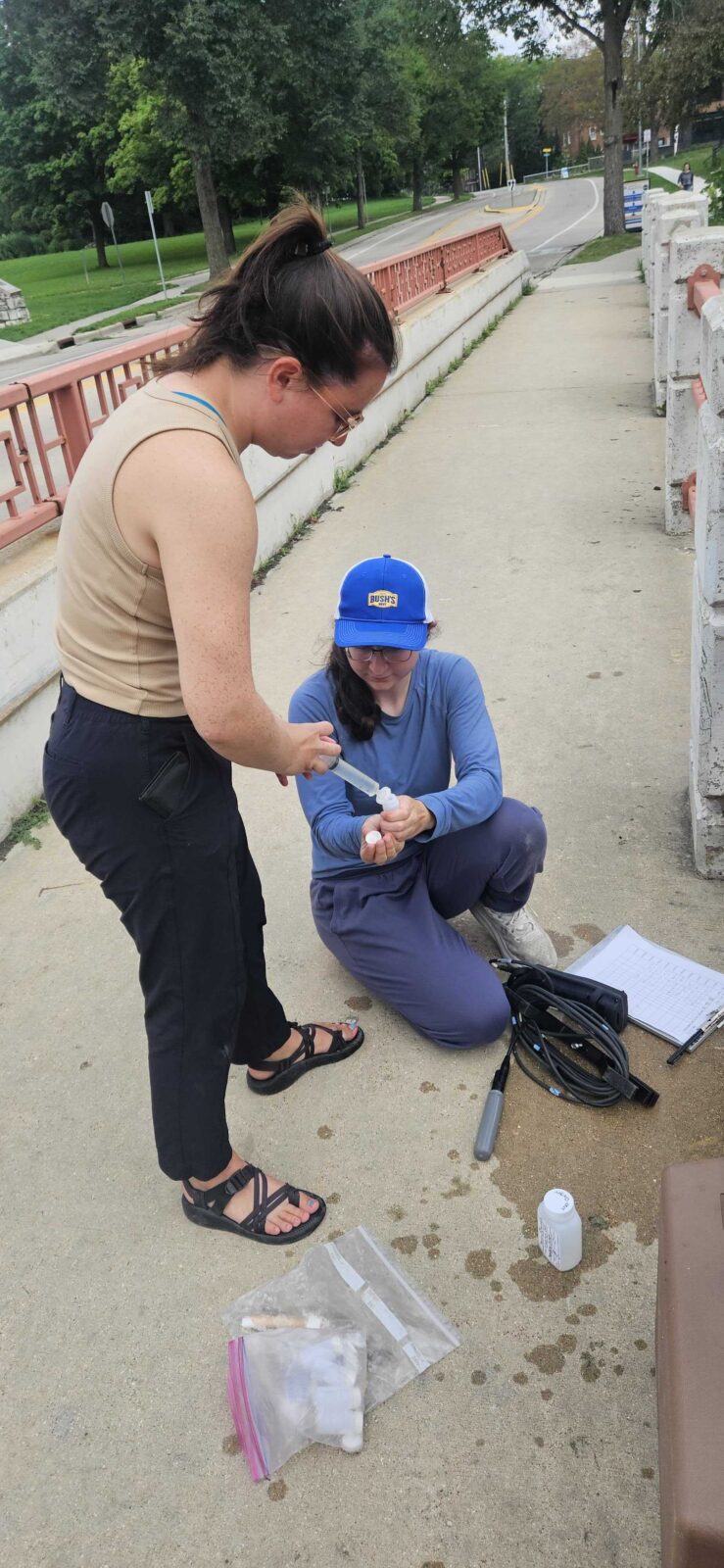
Photo: Helen Schlimm
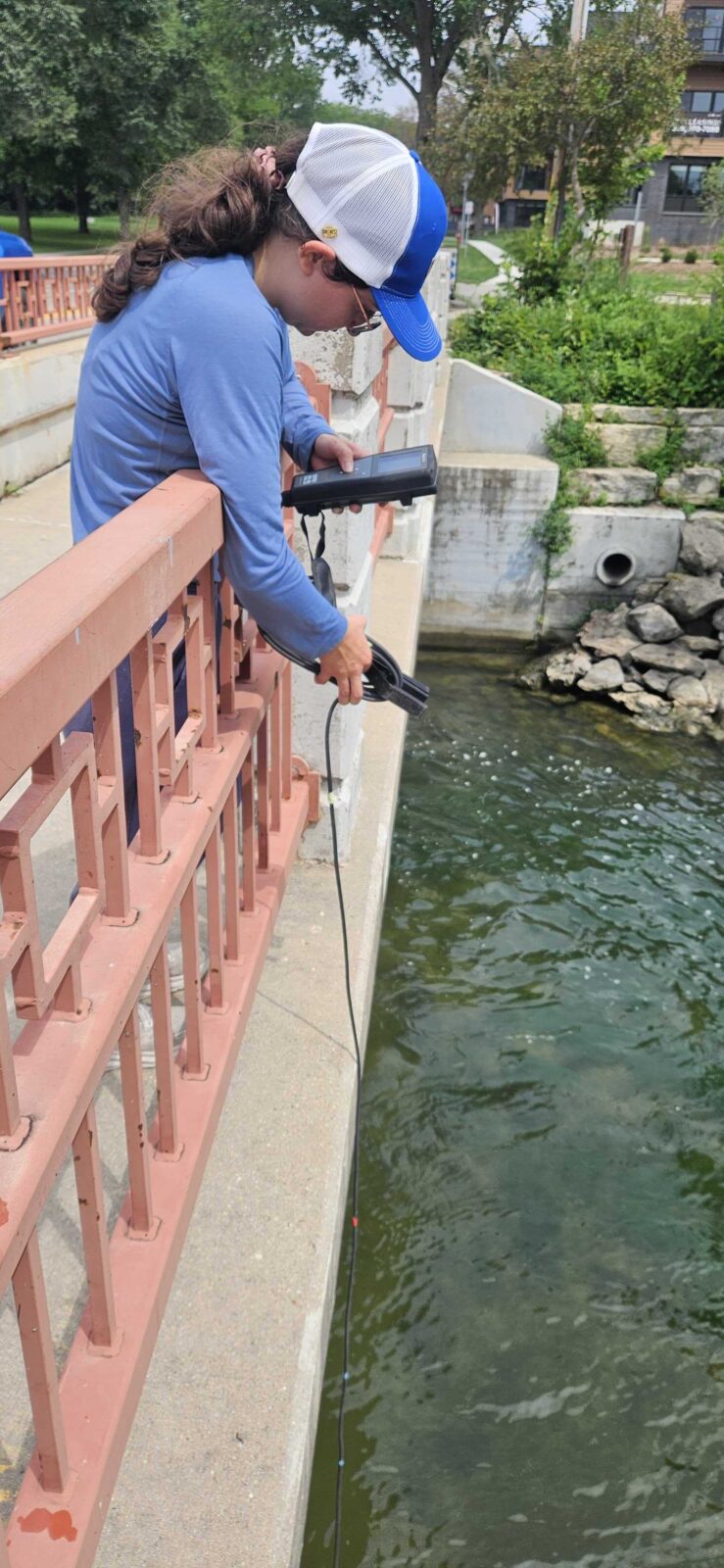
Photo: Helen Schlimm
In addition to this upstream sampling, Lathrop worked closely with dedicated citizen scientists and community organizations like the Lake Waubesa Conservation Association (LWCA) and Friends of Lake Kegonsa Society (FOLKS) to sample the downstream lakes and their inlets and outlets directly as part of the study. These efforts led both organizations to officially join the DNR’s state-wide Citizen Lake Monitoring Network. And for the first time ever, deeper anoxic bottom waters of Waubesa and Kegonsa were sampled twice for dissolved ammonium and phosphate as possible sources of internal nutrient loading. We know that almost no inorganic nitrogen or phosphorus makes its way downstream to these lakes in the summer. So where are their blooms coming from? That is a key question we are trying to answer with this study. Nutrient recycling from bottom to surface waters during windy days may play an important role.
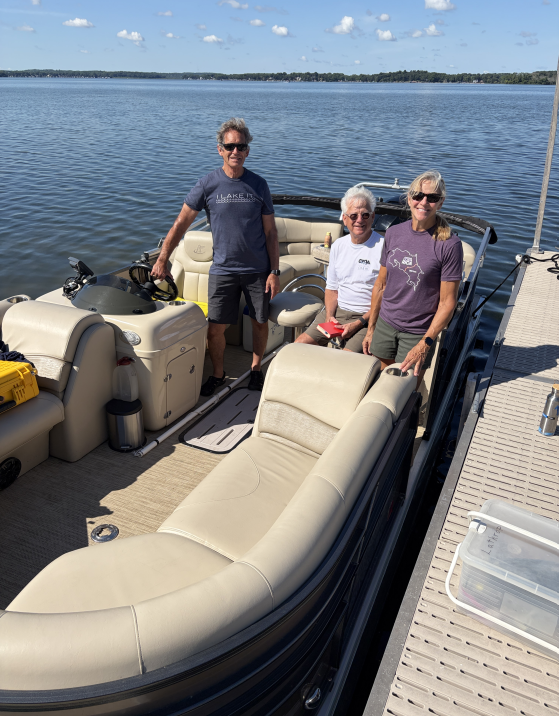
Photo: Richard Lathrop
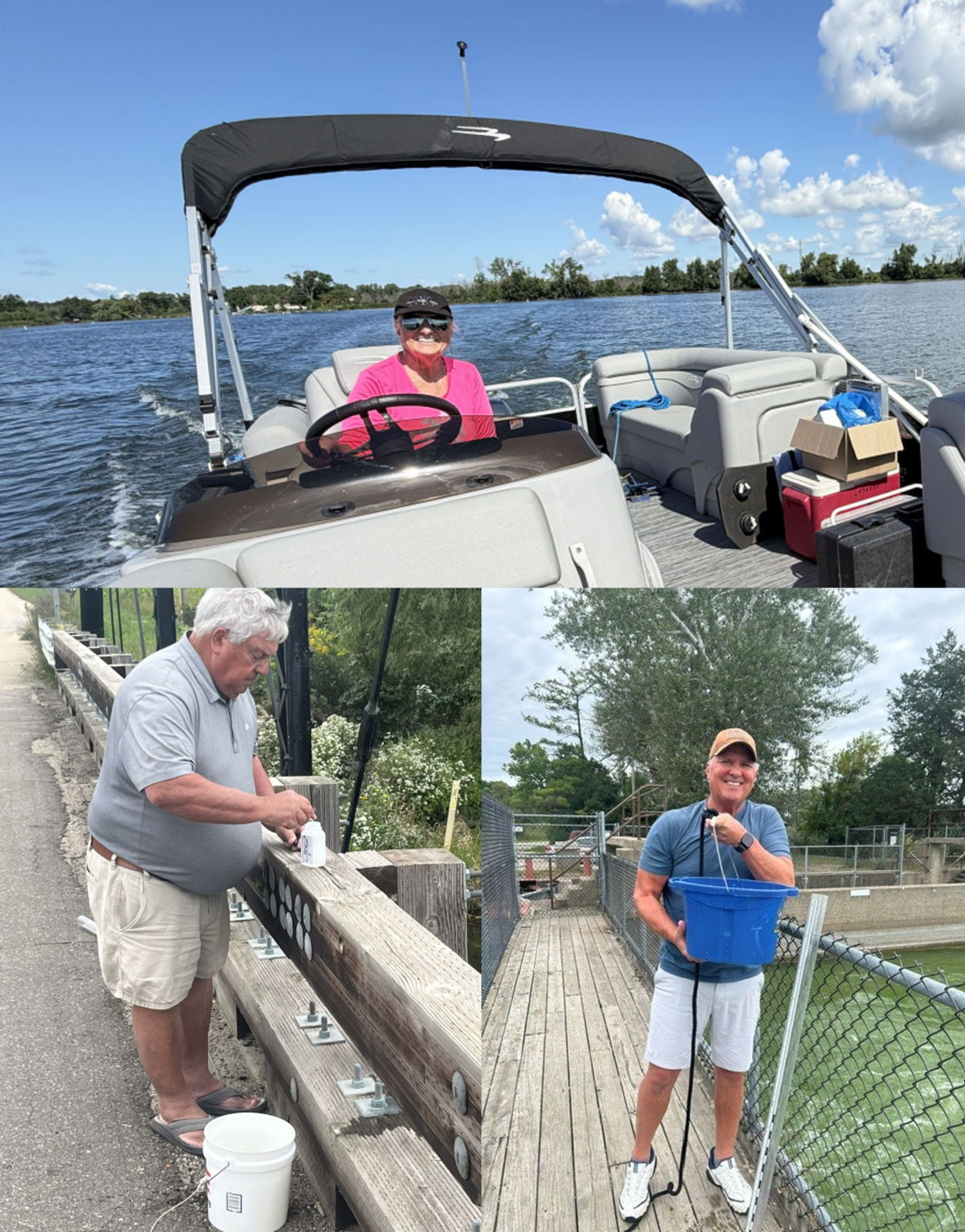
Photos: Richard Lathrop and FOLKS
Obtaining data from the headwater areas around the watershed was also crucial to the project. Data collection from the Yahara River estuary by Cherokee Marsh upstream of Lake Mendota would not have been possible without the intrepid community members who navigated kayaks through the jungle of emergent lotus plants. Another local volunteer helped Lathrop sample groundwater sources of nitrate in two of Mendota’s major headwater springs at Pheasant Branch and Token Creek. We are grateful for all of the people and community partners who are actively contributing to this research and are excited to keep working together in the future.
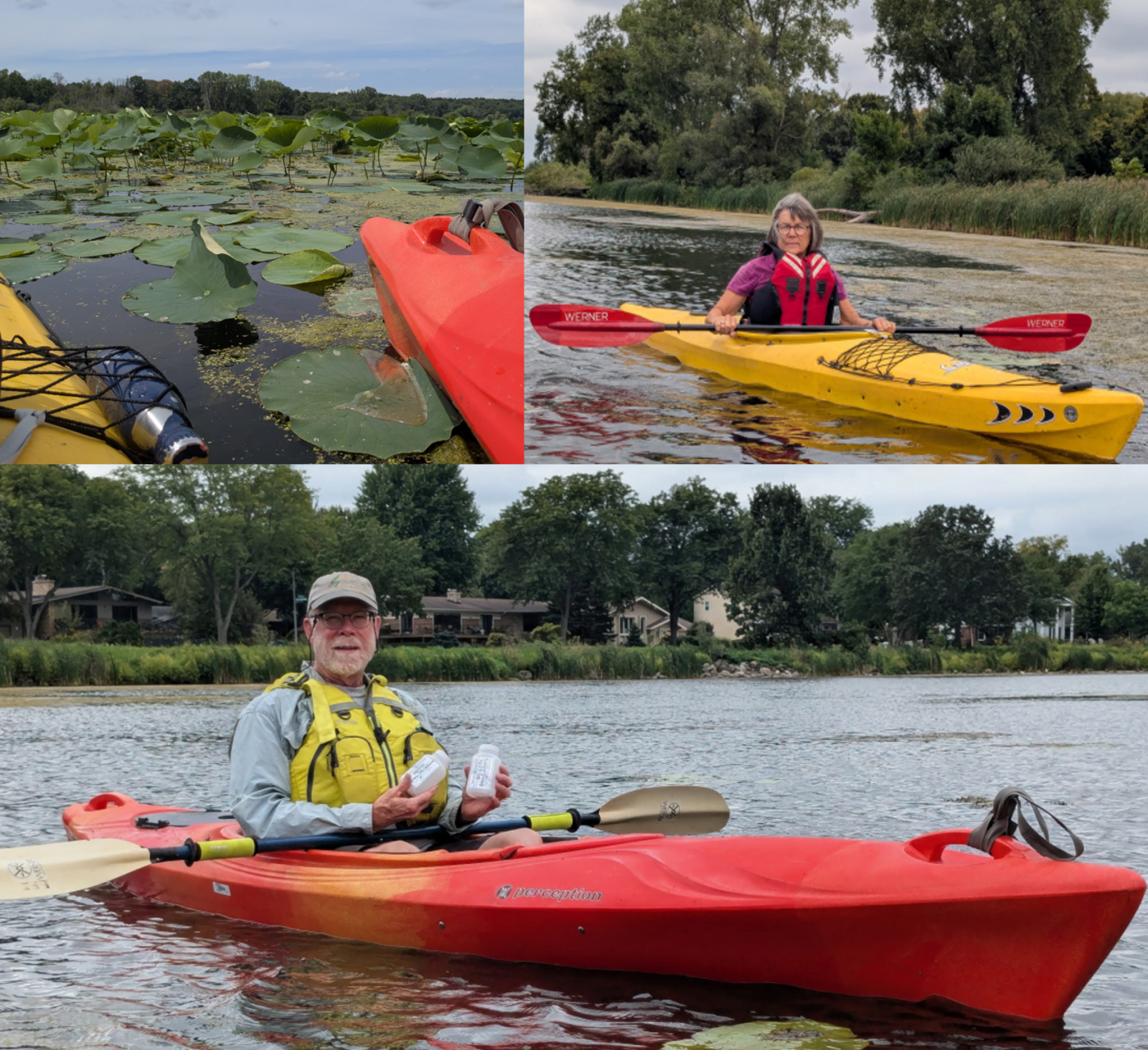
Photos: Mary Manering and Dennis Tande
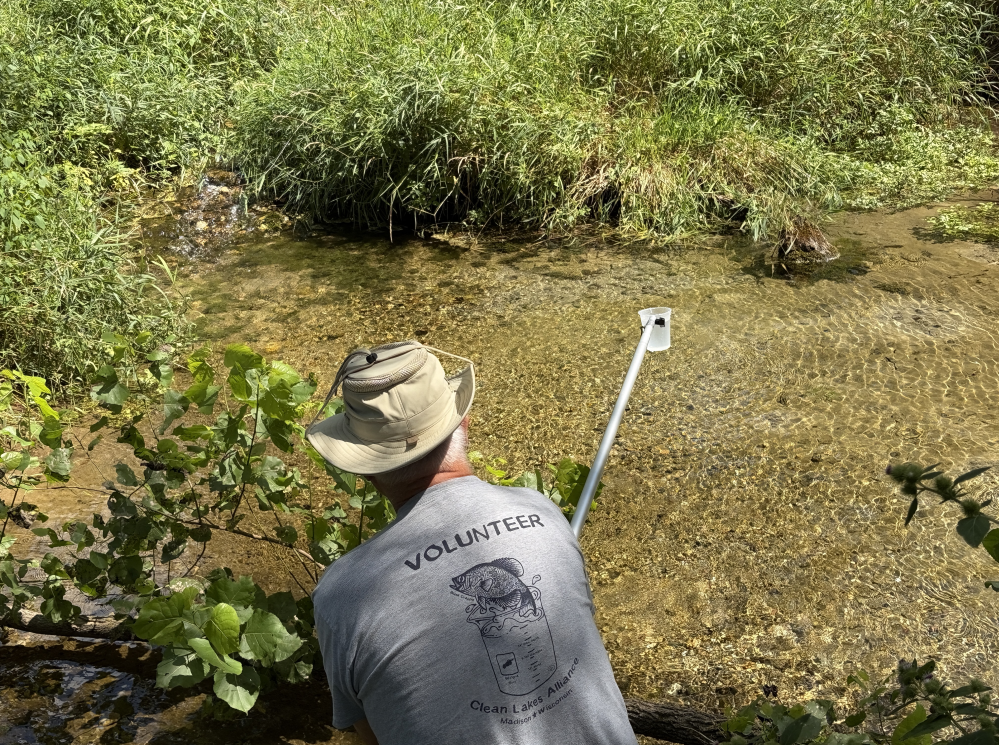
Photo: Laura Buchholz
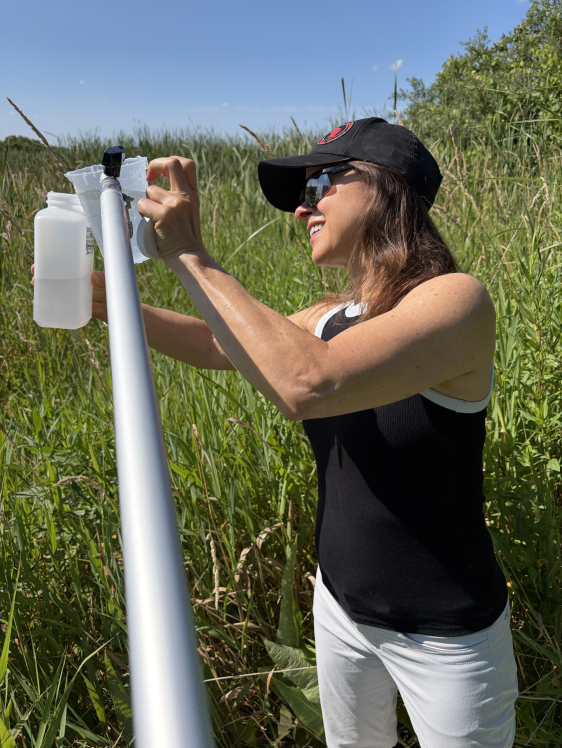
Photo: Richard Lathrop
The spatial nature of this project is novel; this is the first attempt to track forms of nitrogen like nitrate and ammonium around the whole Yahara watershed and not just at the deepest part of our lakes. These new findings will build our understanding of how nitrogen is contributing to the story of algal blooms and more in our waterways.